Source Economy Music Instrument Stand for Students, Teachers, and Performers
Find 30 options for an economy music instrument stand suitable for student classrooms, beginners, and portable use. Compare adjustable, foldable, and durable metal or plastic models from Guangdong suppliers to find the right fit for your needs; compare the available evidence and request quotations based on your requirements.
Key considerations
Products List




Comprehensive Sourcing Guide
Economy Music Instrument Stand Sourcing Guide
Sourcing economy music instrument stands requires balancing cost efficiency with structural reliability for student and classroom environments. The observed market data indicates a wide price range from $1.99 to $46.90, reflecting variations in material composition and packaging density. Buyers must distinguish between basic metal frames and more complex plastic or hybrid models to ensure the selected unit meets specific durability expectations without overspending.
Procurement decisions should prioritize the specific model number and material type to align with the intended user base. The available inventory includes models like MS-350 and MS-03J, which feature adjustable heights and foldable designs suitable for beginners. Verifying the exact material, whether metal or plastic, is essential before placing an order, as this directly impacts the stand's longevity and its ability to support various musical instruments during active use.
Product Scope and Observed Listing Signals
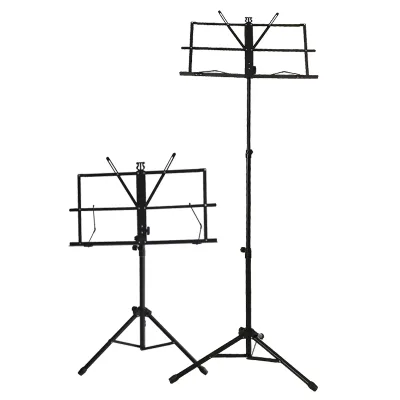
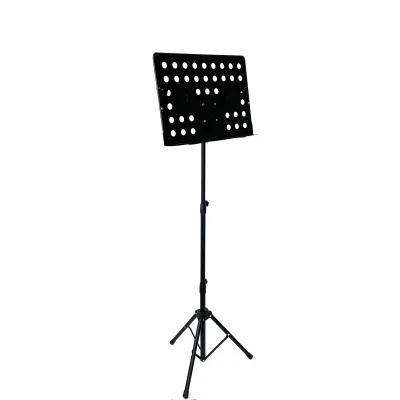
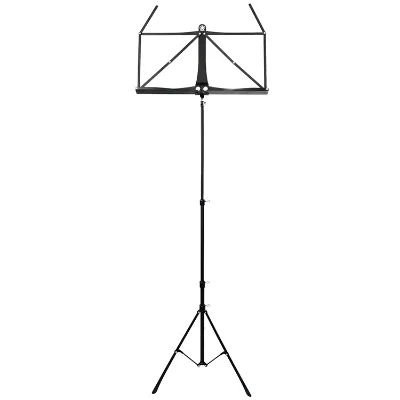
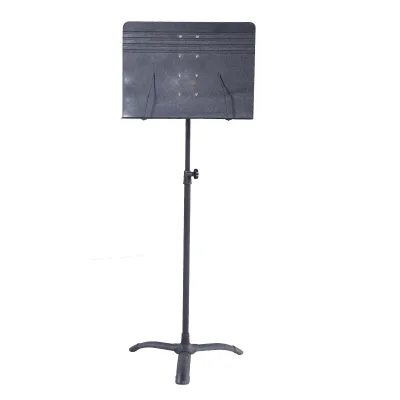
The product scope for economy stands centers on portable, adjustable, and foldable units designed for student classrooms and music lovers. Listings frequently highlight features such as flexibility and durability, with specific models offering rapid folding capabilities for easy storage. These attributes are critical for educational settings where space is limited and equipment must be moved frequently between rooms or events.
Buyers should carefully review the listed packaging specifications to understand the logistical implications of their order. Data shows diverse packing configurations, ranging from five-layer hardened carton boxes to specific gift box dimensions for individual units. Understanding whether the product includes a portable bag or requires a bulk carton is vital for calculating shipping costs and ensuring the items arrive without damage during transit.
Technical Specifications to Verify
Technical verification must begin with the physical dimensions and weight limits of the specific model selected. Specifications such as the MS-D7 model, which measures 86-140cm in length, require confirmation that the height range accommodates the intended users. Additionally, weight data like the 2kg specification for certain units helps buyers assess portability and stability, ensuring the stand will not tip over during performance or practice sessions.
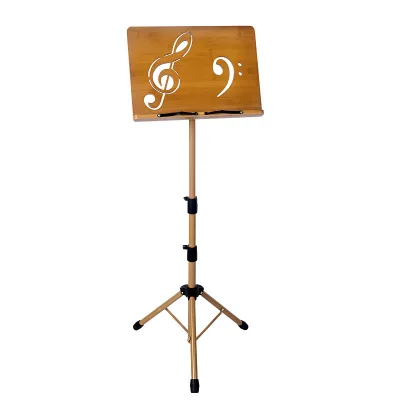
Material composition is another critical technical factor that dictates the stand's performance and lifespan. The market offers both metal and plastic options, each presenting distinct advantages regarding weight and resistance to wear. Buyers should explicitly confirm the material type for their chosen model number, as this influences the stand's ability to withstand repeated folding and unfolding cycles without structural failure.
Compliance and Safety Documentation
While specific certification documents are not explicitly detailed in the provided listing data, buyers must request proof of safety compliance for all imported musical equipment. Standard industry practice requires verification that materials used in construction, particularly plastics and metals, meet regional safety standards for children and educational environments. This due diligence ensures the product does not contain hazardous substances that could pose risks to students or musicians.
Documentation regarding the manufacturing origin and quality control processes is equally important for risk mitigation. The supply chain originates from Guangdong, China, and includes a 100% QC inspection claim for certain items. Procurement teams should verify that this inspection covers structural integrity and finish quality, ensuring that every unit leaving the factory meets the advertised high-grade standards before it reaches the end user.
Cost Drivers and Commercial Terms
Cost drivers in this category are heavily influenced by the minimum order quantity (MOQ) and the level of customization required. The observed MOQ ranges from a low of 1 unit to as high as 1000 units, depending on whether the buyer requests OEM branding or standard wholesale units. Understanding these thresholds is essential for budgeting, as higher customization levels often necessitate larger order volumes to achieve a viable unit price.
Commercial terms also vary significantly based on the packaging and shipping requirements of the specific model. Some listings specify complex carton sizes and gross weights, such as 21kg per carton, which directly impacts freight charges. Buyers should negotiate terms that account for these logistical variables, ensuring that the final landed cost remains within the target budget while maintaining the necessary volume for a successful procurement cycle.
Supplier Qualification and Quality Control
Supplier qualification should focus on their ability to deliver consistent quality through established inspection protocols. The presence of a 100% QC inspection claim suggests a commitment to quality, but buyers must verify the specific criteria used during this process. Confirming that the inspection covers critical failure points like hinge strength and surface finish is necessary to prevent receiving substandard units that could compromise the learning experience.
OEM and ODM capabilities are key indicators of a supplier's flexibility and maturity in the manufacturing sector. Many suppliers offer these services with varying MOQs, such as 10 or 100 units, allowing for brand customization even at lower volumes. Buyers should assess the supplier's track record in handling these requests to ensure they can deliver branded products that meet specific design and quality expectations without compromising the production timeline.
Long-Term Procurement Checks
Long-term procurement success depends on establishing a reliable supply chain that can scale with demand fluctuations. Buyers should monitor the supplier's ability to maintain consistent lead times and inventory levels, especially for popular models like the MS-35P or MS-02. A stable supply relationship ensures that educational institutions or retailers can replenish stock quickly without facing delays that disrupt their operations.
Continuous quality monitoring is essential to maintain the reputation of the products in the market. Even with initial QC checks, buyers should implement periodic sampling and feedback loops to catch any emerging defects in production batches. This proactive approach helps identify issues early, allowing for corrective actions before large quantities of non-compliant products reach the end users, thereby protecting the brand's integrity over time.
FAQs
Can I customize the music stand with my logo?
Yes, OEM customization is available for this product. The supplier accepts logo customization with a minimum order quantity of 10 units for standard models. This allows buyers to brand the stands for specific classroom or student needs while maintaining the portable and foldable design features.
What is the minimum order quantity for wholesale?
The minimum order quantity varies by customization level. Standard wholesale orders start at 100 pieces, while specific OEM and ODM services require a minimum of 10 units. Some bulk packaging options may have different thresholds, so buyers should confirm the exact MOQ based on their selected model and packaging requirements.
How portable are these foldable music stands?
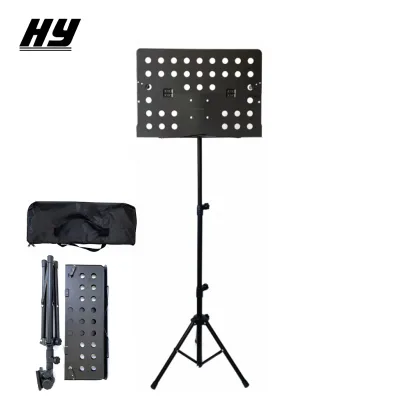
These stands are designed for high portability with adjustable and foldable features. They come with a portable bag for easy transport and storage. The compact dimensions allow them to fit into standard cartons, making them ideal for students, classrooms, and musicians who need to move equipment frequently.
What materials are used to build the stand?
The stands are constructed from durable metal and plastic materials depending on the specific model. High-grade quality ensures stability during use. Each unit undergoes 100% QC inspection to guarantee durability and safety for music lovers and beginners using the instrument stand for playing music.
Which models are suitable for student classrooms?
Models like MS-350 and MS-03J are suitable for student classrooms and musical instruments. These stands feature adjustable heights and foldable designs to accommodate various users. They are packaged in 5-layer hardened carton boxes to ensure safe delivery to educational institutions and music schools.
What is the packaging size for bulk orders?
Packaging dimensions vary by model, with some cartons measuring 55.5 by 35.5 by 47.5 cm for five pieces. Other models use carton sizes like 54 by 38 by 41 cm. The packaging includes gift boxes or standard cartons with specific net and gross weights to ensure secure shipping for wholesale buyers.
Can I source these stands from Guangdong, China?
Yes, the products originate from Guangdong, China. Buyers can source these economy music instrument stands directly from manufacturers in this region. The location supports efficient logistics for international orders, ensuring timely delivery of the portable and adjustable stands to global markets.